
Three real client stories from Otaru, Kanazawa, and Myoko, and why our flat $4,900 fee pays for itself the first time it keeps you out of a bad purchase.
Buying a house in Japan as a foreigner can be an incredibly rewarding experience (it's changed my life in ways I never could have imagined). It can also be complicated, as you'd expect.
On paper, the process is simple enough. Find a beautiful Japanese home, contact the selling agent, make an offer, and complete the purchase. Japan's housing market is one of the most open to foreigners on earth.
In reality, it's rarely that straightforward.
Language barriers, unresponsive real estate agents, unfamiliar contracts, remote property inspections, complicated ownership records, and local regulations can turn what looks like a simple purchase into months of work.
And good luck doing all that without understanding the language.
Also, if you're planning to renovate the home or operate it as a licensed Airbnb, ryokan, or vacation rental, the questions become even more complicated.
This is why we started YukiHomes.
My co-founder Nick and I bought our own ski house in Japan without an inspection, because the selling agent refused to allow one. We came within a hair of walking away from the whole deal because we were unsure of the risks.
We took the leap anyway... (you can too...)
That experience is the reason this company exists. We've coordinated more than 100 inspections since.
Along the way, we've helped over 200 people buy, renovate, and manage/rent their homes in Japan. We've dealt with inheritance registrations nobody ever updated, roads that legally aren't roads, fire-safety rules that don't show up on any zoning map, and sellers who won't even look at a second offer.
Sometimes we help clients land a house they thought was already gone.
Sometimes we talk them out of a house they love.
And sometimes we spend weeks on a property that never sells.
That's the job.
Plenty of services will translate your emails, forward you listings, and book you a viewing.
That's not what we do.
A buying service worth paying for puts experienced people on the ground who dig into problems, bring in the right local professionals, and advocate for you from the first viewing to the day the keys are in your hand.
That's what our buyer program is built around. And it pays for itself the first time it keeps you from buying the wrong house.
Here are three real client stories that show what that looks like in practice.
Client Story #1: The Otaru House That Was Zoned for a Ryokan (and Why That Wasn't Enough)
In October 2026, our team was helping a client investigate a property in Otaru, Hokkaido.
The house was listed for approximately ¥24 million.
It was in an exceptional location (my favorite neighborhood in Otaru, Hanazono), had something surprisingly difficult to find in central Otaru—parking—and offered the potential to become a fantastic ski home.
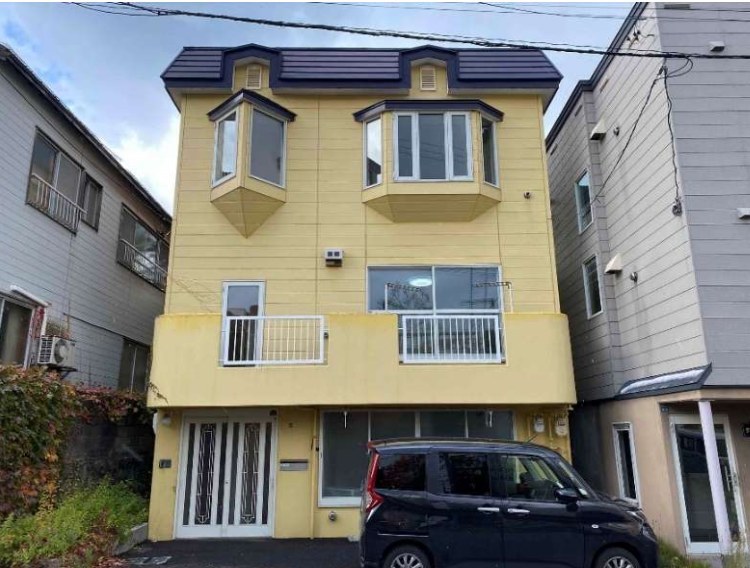
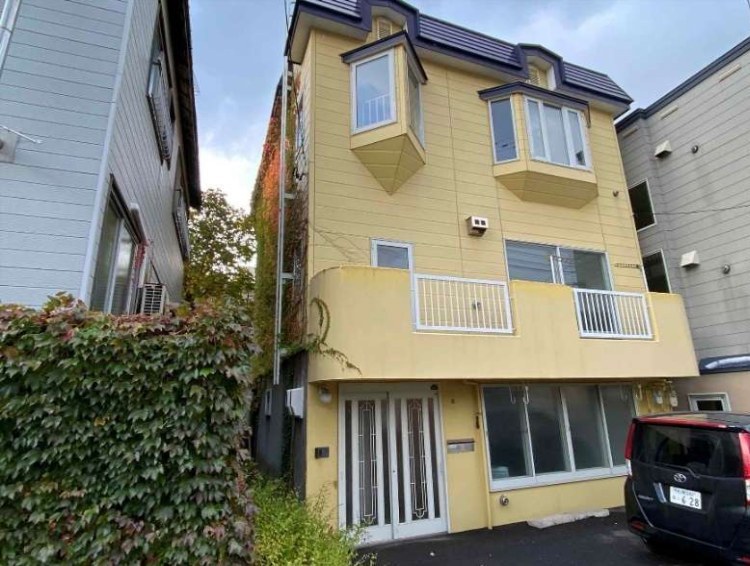
Our client also wanted the possibility of operating it as licensed accommodation when they weren't using it personally.
There was just one complication.
The building had three stories.
For older Japanese homes intended for lodging use, that can create significant additional questions surrounding fire safety, evacuation requirements, building compliance, and the feasibility of modifications.
We generally advise clients to avoid complicated three-story lodging projects.
But this property had such an attractive combination of location, parking, and other features that we believed it deserved a closer investigation.
We didn't just check the zoning and call it a day
Our preliminary research established that the zoning permitted ryokan use.
For many buyers, that might have sounded like the green light they needed.
But we knew it wasn't that simple.
A house being located in a zone that permits hotels or ryokan does not automatically mean the building can receive a lodging license.
The building itself must satisfy the applicable requirements.
In this case, the third floor raised important questions.
Could it be used by guests?
Would additional evacuation equipment be necessary?
Could such equipment physically be installed?
Would neighboring buildings create clearance problems?
And if modifications were required, what might they cost?
These aren't questions a listing answers. And most buyers never think to ask them.
So our team got to work.
Robin began contacting the relevant professionals
Robin Kennedy, our Japanese agent extraordinaire, contacted a local fire-equipment contractor to investigate possible solutions.
The contractor explained that they only handled installations after the fire department had determined the applicable requirements.
So Robin contacted Otaru's fire department directly.
He explained the situation, the proposed use, and the concerns surrounding the property's third floor.
The department confirmed that the next step was determining which fire-safety requirements applied and whether the building could meet them.
Although a formal compliance process would still be necessary, the department agreed to consider the available property documents and see what preliminary guidance it could provide before purchase.
Robin collected the building's floor plans, registry documents, and photographs of the existing evacuation ladder and surrounding structures.
He submitted the information to the fire department, which forwarded it to the section responsible for evacuation equipment.
At the same time, we coordinated with Sakura, a professional building inspection company.
Robin explained our concerns about the third floor and asked whether the inspector could investigate potential problems.
The inspector clarified that specialized building-code and lodging-compliance assessments were outside the normal scope of a residential inspection, but agreed to examine the relevant concerns as far as possible.
Throughout, we kept our client updated on what we knew, what we didn't, and what still needed a professional's eyes.
Nobody could guarantee lodging approval before purchase.
But we were actively working to understand the potential obstacles rather than pushing the buyer to buy a home because the preliminary results were positive.
The inspection revealed an even bigger concern
When the professional inspection was completed, the findings were more concerning than expected.
Several issues required attention, including signs of deterioration and past moisture problems.
Most importantly, the inspector documented a significant slope in the third-floor hallway—about 11.5 millimeters per meter.

The cause couldn't be established during the inspection.
We've seen tilts range from sagging subfloors to costly foundation issues.
A slope like this is one of the biggest red flags you can find in an inspection report, and my personal advice is often to walk away.
The buyer was considering a substantial investment in a property that already had unanswered questions about its intended lodging use.
After reviewing the findings, our client decided not to proceed.
Then the fire department's answer came back
Here's the short version of what Otaru's fire department told us:
- Evacuation equipment is required, no matter what. With a wooden structure and a habitable third floor, even capping it at seven guests wouldn't change that.
- One staircase means stricter rules. The building falls under a tougher fire-safety classification.
- The existing ladder likely wouldn't count. It's a residential ladder, not a certified installation.
- The usual fix is a kankoki, a window-mounted controlled descent device that needs a big enough window, clear space to descend, and a safe landing spot.
What they couldn't confirm was whether one could even be installed, given the third-floor windows and how tight the gap is to the neighboring buildings. Finding out would take an on-site contractor assessment and a formal review, with no guarantee at the end.
So even if the inspection had come back clean, this house would have been a difficult lodging project without a concrete answer. The zoning said a ryokan was allowed. The building told a very different story.
That's why buying a house in Japan for Airbnb or ryokan use based on zoning alone is never a smart move. A buyer relying on the zoning could have paid ¥24 million for a house that might never qualify for the license they bought it for.
We kept searching together, and we kept the door open on the Hanazono house in case the price or the risk picture changed.
We spent weeks on a house our client never bought. And our work together didn't stop.
That's the whole point.
Our goal is not to sell you a house as fast as possible.
It's to make sure the house you do buy is the right one, even when that means walking away from the one you fell for.
Client Story #2: The Kanazawa House on a Road That Wasn't Legally a Road
Another set of clients was searching for an older Japanese home they could run as licensed accommodation.
Their search took them through Kyoto, Kanazawa, and several other possibilities.
Our team coordinated property tours, shared detailed videos and photographs, helped compare buildings, discussed potential renovation requirements, and investigated questions about the properties' intended use.
Eventually, they found a promising home in Kanazawa.
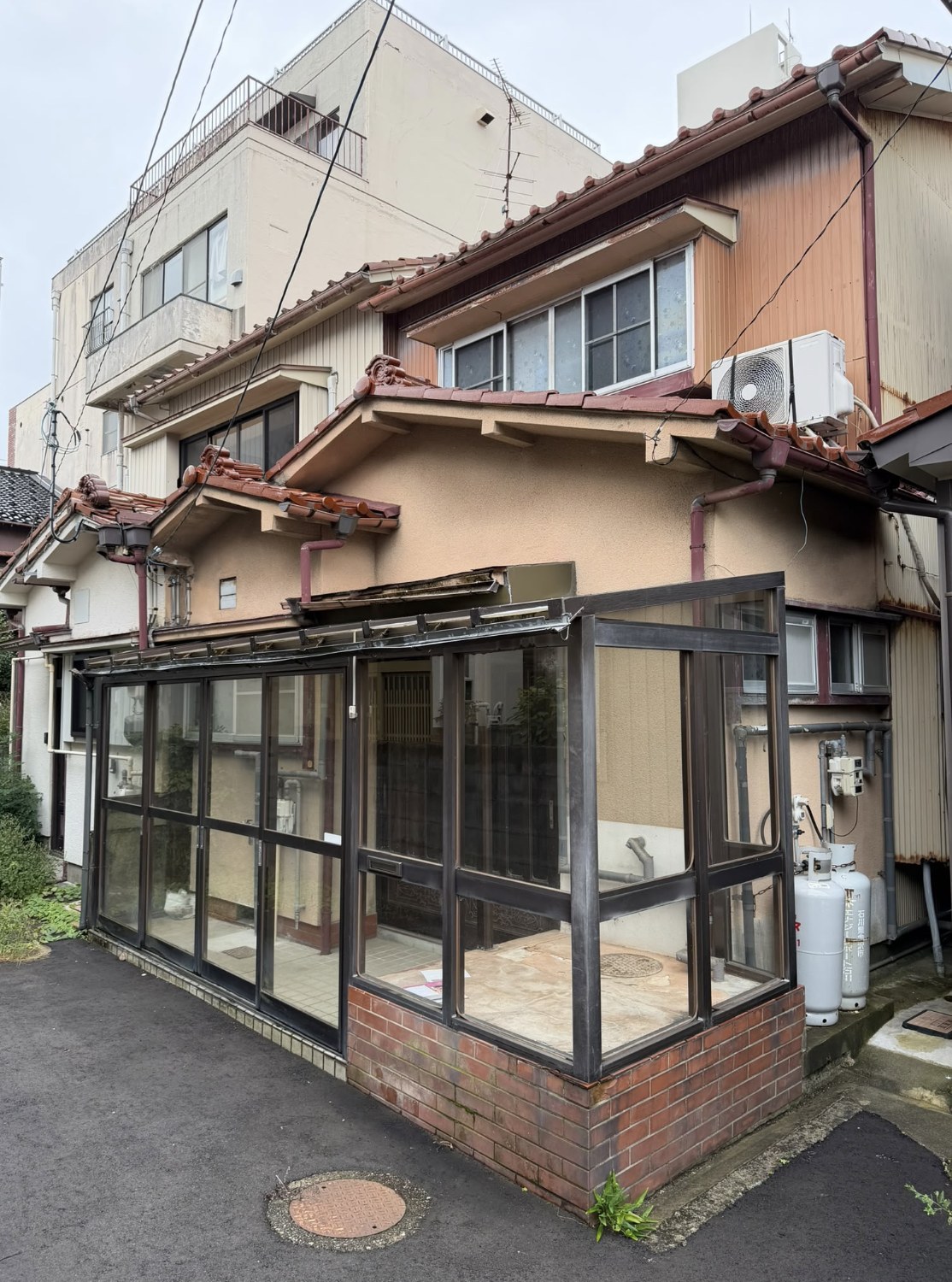
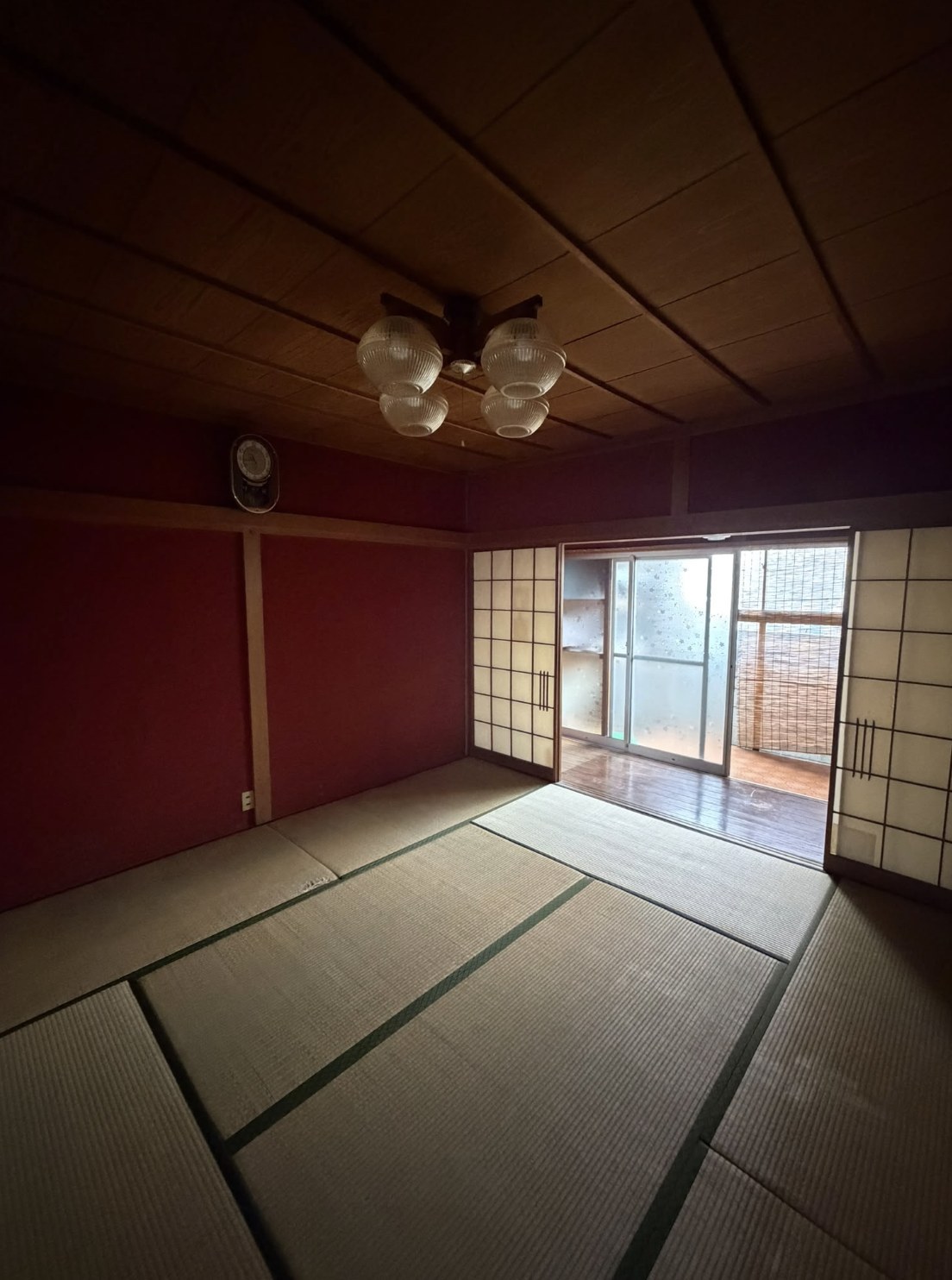
But an unexpected issue emerged.
The road wasn't legally recognized as an ordinary road
During preliminary inquiries about the property's suitability for lodging, our team learned that the road directly in front of the house wasn't legally recognized as a road under Japan's Building Standards Act.
That created uncertainty about whether the property's access arrangement satisfied the relevant requirements.
There was a possible solution.
The property might qualify depending on its exact frontage and its connection to a recognized road.
But the measurements had to be established.
And that required additional investigation.
The initial solution came with a ¥270,000 price tag
Our team began contacting local architects and gathering the available property documentation.
One architect quoted approximately ¥270,000 for the additional surveying work.
That's a lot of money just to find out whether the house clears one hurdle.
Before asking our clients to spend it, we went to the city to see whether they could make a preliminary determination from the existing survey documents.
Our team collected the available materials, communicated with the city office, and continued following up.
The process stretched over several weeks.
Eventually, we received confirmation that the property satisfied the relevant road-access requirements.
That resolved a major uncertainty without immediately commissioning the separately quoted private survey.
That's ¥270,000 our clients didn't have to spend just to answer one question.
It wasn't a guarantee of final lodging approval, but it was meaningful progress.
Unfortunately, another buyer moved first
While the investigation was underway, another buyer advanced with the property.
By the time our clients were ready to proceed, the house was already under contract.
We were disappointed.
Our team had spent substantial time investigating an unusual issue, and the property ultimately went to somebody else.
But this illustrates another reality of buying real estate in Japan.
Sometimes extensive due diligence takes time.
And sometimes another buyer is willing to proceed without resolving the same questions.
We could have told our clients to skip the question and move fast. Some services would have.
We don't do that.
Part of our job is helping clients understand that tradeoff.
Our clients continued their search with us, using what we'd learned to size up the next round of houses.
The work doesn't disappear just because one particular house gets away.
Client Story #3: How Azuma-san Got Our Client's Offer Accepted on a Myoko Ski Home After Other Buyers Were Already in Line
Not every challenge involves structural problems or municipal regulations.
Sometimes the biggest obstacle is simply getting a selling agent to consider your offer.
In September, we were helping a client search for a property near Japan's ski resorts.
They initially wanted a ski-in/ski-out home—an unusually difficult requirement in much of Japan.
As the search progressed, we expanded the criteria to include properties within a short drive of a ski resort.
That opened things up.
Then an affordable property near Myoko appeared.
The location was unreal: just a five-minute drive to Lotte Arai Resort. It's one of only a handful of homes we've seen listed in this area in over a year.
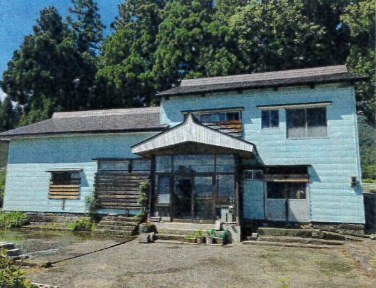
Our client loved it.
There was just one problem.
Multiple buyers had already submitted offers sight unseen on the day it was listed.
Many agents would have stopped there
Japanese real estate transactions can place considerable importance on relationships, trust, and the order in which offers are received.
We've encountered situations where selling agents were reluctant to consider an additional offer once another buyer was already in line.
Even when a new buyer was prepared to pay more.
We respect those customs. We don't treat every Japanese transaction like a bidding war, and we'd tell you not to either.
But understanding local customs also means recognizing when there is room for a respectful conversation.
That's where our licensed partner agent, Azuma-san, made a difference.
Azuma-san knew how to approach the situation
Azuma-san was born and raised in Japan and has extensive experience navigating Japanese property transactions.
He contacted the listing agent and discussed the situation.
Initially, the agent was reluctant to receive another offer.
But Azuma-san continued the conversation and explained our buyer's position.
Our client was prepared to offer ¥1 million above the original asking price.
Eventually, Azuma-san persuaded the listing agent to accept and present the offer.
And on September 3, 2026, the seller accepted it.
The additional ¥1 million was the deciding factor.
But our client only got the chance to make that offer because Azuma-san knew how to open the conversation. Without him, they could easily have lost one of the rare homes near Lotte Arai to buyers who never even saw it in person.
We hadn't ignored local expectations.
We had worked with an experienced Japanese agent who knew how to operate respectfully within the market while still advocating for his client.
That's an important difference.
The purchase came with complicated ownership records
Getting the offer accepted wasn't the end of the work.
The property was inherited, and the official registrations required attention.
There were ownership records that needed updating, questions involving ancillary structures, and several contractual matters that required careful coordination.
Azuma-san worked with the selling agent to address the outstanding issues.
He reviewed transaction documentation, requested revisions to important contractual provisions, and helped move the purchase toward completion.
That's the difference an experienced local agent makes.
The right agent doesn't merely relay messages. They understand when to push, when to negotiate, and how to make things happen without disregarding Japanese business culture.
Why Japanese Agent Commissions Don't Cover This Kind of Work
One of the most misunderstood parts of buying property in Japan is how little the agent's commission has to do with the amount of work a purchase actually takes.
Consider the Otaru property.
At approximately ¥23–24 million, our licensed partner's anticipated brokerage commission was only around $4,500.
That's real money.
But think about what this particular transaction required.
Weeks of communication.
Fire-department inquiries.
Building-document research.
Coordination with fire-equipment professionals.
Professional inspection scheduling.
Questions about evacuation equipment.
Negotiations and additional due diligence.
And in the end, no sale.
The amount of work required for a complicated ¥20 million house can easily exceed the work required for a much more expensive, straightforward property.
And in Japan, where brokerage commissions on lower-priced homes are relatively low, the economics can become especially challenging.
We understand you guys are spending a ton of money up front, since these are cash deals. That's why we exist: to make sure you're getting the attention your money deserves.
What real estate agents normally do—and what we do in addition
Japanese licensed real estate agents handle essential regulated transaction work, including brokerage, required disclosures, offers, and contractual procedures.
Some excellent agents go far beyond those responsibilities.
But buyers shouldn't automatically expect an agent to spend weeks investigating whether an older building can meet specialized accommodation requirements.
That type of coordination can involve municipal offices, inspectors, architects, fire-safety contractors, and other professionals.
Even in New York, where some residential agents earn five-figure commissions on a single transaction, you wouldn't ordinarily expect a real estate broker to personally coordinate an extensive investigation into hotel licensing, evacuation requirements, and specialized building compliance as part of a standard residential purchase.
Those questions belong to different professional specialties.
And organizing the process takes time.
That gap, between what a commission pays for and what a complicated purchase actually requires, is exactly what our fee covers.
We're not replacing licensed agents, and we're not pretending to be architects or inspectors.
We're the ones who bring all of them to the table, ask the questions a buyer wouldn't know to ask, and stay on it until there's an answer, so you're not managing a dozen moving parts from the other side of the world.
What Makes Buying a House in Japan Difficult for Foreigners?
The legal ability to own property in Japan is only one part of the equation.
In practice, foreign buyers frequently face challenges that aren't obvious when browsing property listings online.
1. Getting Japanese real estate agents to respond
Many local Japanese agents primarily serve domestic buyers.
Some are uncomfortable communicating in English, handling overseas clients, or managing unfamiliar international transaction arrangements.
That can make even arranging an initial property tour difficult.
And if a property is inexpensive, the commission usually doesn't justify the additional time an unfamiliar overseas transaction requires.
2. Evaluating homes remotely
Photos rarely tell the whole story.
A listing might omit important details about heating, insulation, water damage, road access, or the surrounding neighborhood.
Remote buyers need reliable people who can visit properties, document visible conditions, ask questions, and coordinate independent inspections when appropriate—and, importantly, who know what issues to look out for.
3. Understanding Japan's purchasing process
Offers, required disclosures, contract deposits, judicial scrivener procedures, ownership registration, and closing timelines may differ substantially from what foreign buyers are used to.
Language and unfamiliar documentation can add further complexity.
4. Identifying property-specific risks
Older houses may have unresolved inheritance registrations, unclear boundaries, structural concerns, road-access complications, or significant renovation needs.
Not every problem makes a property unsuitable.
But buyers need to understand the implications before making major commitments.
5. Investigating intended use
A house suitable for personal use may not meet the requirements for a licensed accommodation business.
Zoning, fire safety, building compliance, and local operating restrictions can all affect what is possible.
Researching these questions often involves consulting several different authorities and professionals.
6. Having someone who stays involved when problems arise
This is perhaps the biggest difference.
A straightforward purchase might involve a relatively predictable sequence of steps.
But real transactions are not always straightforward.
A seller may refuse to negotiate.
An inspector may uncover an expensive problem.
A property may be inherited and require registration work.
An important regulatory question may remain unanswered.
Or another buyer may appear halfway through your due diligence.
That's where we earn our fee.
Renovating an Older Japanese Home: Contractors We've Already Vetted
A big part of what you're paying for is the network of local relationships we've built.
We're not simply handing clients a directory of contractors, inspectors, and other professionals we've never worked with.
For example, we've completed over 30 jobs with one of our trusted contracting partners.
We've had the opportunity to see the quality of their work, understand how they communicate, and develop a working relationship over multiple projects.
We trust that contractor enough to involve them in building our own coffee shop, 16 ON BLUE, in Otaru.
Why does that matter to someone who's still buying a house?
Because older Japanese homes often require some level of renovation.
A home might require new heating, bathrooms, flooring, insulation, or other improvements.
Our team can coordinate these renovations and arrange separate professional estimates where appropriate.
That doesn't replace qualified inspections or guarantee renovation costs.
But it means buyers benefit from relationships we've already built, without having to find or manage contractors from thousands of miles away.
We handle the renovation process and vet every contractor beforehand, so you can trust you're working with qualified professionals.
Is a $4,900 Japan Property Buying Service Worth It?
Let's talk about the fee, because it's the question everyone asks.
Our buyer program is a flat $4,900, paid in two installments. It doesn't change with the price of the house.
That's not the cheapest option out there. We know that.
Some services will translate emails and forward listings for less. Some charge per viewing. Some hand you off to the selling agent the moment an offer goes in.
We built something different: a team on the ground in Japan, licensed agent partners, inspectors and contractors we've already vetted over dozens of jobs, and a team who will spend three weeks going back and forth with a fire department if that's what it takes to get you a straight answer.
The program covers the whole search: sourcing and shortlisting, remote tours, Japanese-language coordination with agents and officials, property-specific research, inspections, municipal inquiries, offers and negotiation through our licensed partners, and contract and closing coordination. If a house falls through, the search continues.
The fee covers our work. Brokerage commissions, taxes, registration, inspections, renovations, and licensing are separate, and we'll walk you through what to expect on each one before you commit to anything.
We can't promise a seller will accept your offer, that a city will grant a license, or that every house will pass inspection.
Nobody can. Be wary of anyone who tells you otherwise.
What we can promise is that you'll know exactly what you're buying before you buy it.
Here's what that looked like in the three client stories above:
- Otaru: Before our client committed to a ¥24 million purchase, we uncovered a significant third-floor slope and fire-safety requirements that the zoning alone would never have revealed.
- Kanazawa: We resolved a road-access question through the city rather than asking our clients to pay for a ¥270,000 private survey.
- Myoko: Our licensed partner agent got a reluctant listing agent to accept our client's offer on one of only a handful of homes listed near Lotte Arai Resort in over a year.
The most expensive mistake a foreign buyer can make in Japan usually isn't overpaying by a few percent. It's buying the wrong house, or missing the right one.
That's how our fee pays for itself: not by making the house cheaper, but by keeping you out of costly mistakes and in front of the right houses when they come up.
We're not trying to be the cheapest property buying service in Japan. We're trying to be the best one.
Who our buyer program is for
It's for buyers who want the purchase done right: a ski home, a vacation rental, a traditional house, or a place to live, bought with a clear picture of what they're getting into.
It's for people who would rather pay $4,900 up front than learn a far more expensive lesson after closing.
If you're looking for the cheapest possible way to get a house in Japan, we're probably not the right fit. And that's fine.
Frequently Asked Questions About Buying Property in Japan
Can foreigners buy a house in Japan without a buying service?
Yes. Foreign nationals can generally purchase Japanese property without hiring a separate buying consultant.
However, being legally allowed to buy a house and successfully navigating an overseas purchase are very different things.
Without Japanese-language skills, knowledge of the local process, and reliable professional contacts in Japan, buyers can face substantial practical obstacles.
That's why many overseas buyers choose to work with an experienced buying team.
Why do I need YukiHomes if there's already a Japanese real estate agent involved?
A licensed real estate agent handles the regulated brokerage activities required for the transaction.
We handle everything around that: the search, remote viewings, inspections, local communication, municipal questions, and whatever complication shows up along the way.
Can YukiHomes guarantee a property will qualify for Airbnb or ryokan use?
No. Formal approval depends on the specific building, intended operation, and applicable requirements.
We can help coordinate preliminary research and professional inquiries, but legal compliance and licensing decisions must be established through the appropriate processes.
Can I get a ryokan or Airbnb license just because the zoning allows it?
Not necessarily. Zoning is only the first test. The building itself also has to meet fire-safety, evacuation, and building requirements.
In our Otaru client story, the zoning permitted ryokan use. But the fire department confirmed the three-story wooden house would need approved evacuation equipment, and it couldn't confirm a compliant installation was even possible without a formal assessment.
What happens if a property fails inspection?
When a client wants an inspection, our agents submit an offer that's contingent on the inspection results.
Once the report comes back, buyers can review the findings and decide whether to proceed or withdraw their conditional offer.
Renegotiating the price based on inspection results is rare in Japan, although in some cases it may be possible.
If the inspection doesn't meet your standards, we simply move on and continue the search.
Is the $4,900 YukiHomes fee worth it?
In our experience, yes. The fee is a flat $4,900 regardless of the property's price, and it's small next to the cost of a wrong purchase.
A single avoided mistake, such as a house with an unexplained structural problem, a property that can't get the lodging license you planned for, or an unnecessary ¥270,000 survey, can be worth far more than the fee itself.
Does the $4,900 fee include inspections and closing costs?
No. The buyer-program fee is separate from ordinary brokerage commissions, judicial scrivener fees, taxes, professional inspections, and other third-party expenses.
Does YukiHomes only help buyers purchasing inexpensive akiya?
No. We work with buyers interested in a range of Japanese properties, including affordable homes, ski houses, traditional properties, and more substantial residential investments.
The Right Team Can Make All the Difference
The three client stories above show very different sides of buying property in Japan.
In Otaru, our team looked past the zoning, uncovered a serious structural red flag and fire-safety requirements that might have blocked a ryokan license, and kept helping the buyer search.
In Kanazawa, our team spent weeks pursuing answers about a property's road access and resolved a major regulatory question without a ¥270,000 private survey, before another buyer ultimately secured the home.
And in Myoko, our licensed partner agent Azuma-san persuaded a reluctant listing agent to consider another offer, helping our client secure an accepted offer on a property they really wanted.
Different situations.
Different challenges.
Different outcomes.
But the same underlying principle.
The quality of a property buying service becomes most apparent when something doesn't go according to plan.
Anyone can advertise property searches, virtual tours, and English-speaking support.
It's a lot harder to show the judgment, relationships, and persistence it takes when a deal gets complicated.
That's what we do at YukiHomes.
We're not simply helping foreigners find Japanese houses.
We're helping them buy the right one, with real people on the ground in Japan and experienced professionals at every step.
And we think that's worth doing properly.
Nick and I learned the hard way what buying in Japan without the right people costs. Our clients don't have to.
If you're serious about buying a house in Japan, our buyer program is a flat $4,900. We're confident it pays for itself the first time it keeps you out of a bad purchase, or gets you into the right one.
Explore the YukiHomes Buyer Program
These client stories are based on actual YukiHomes client experiences. Client identities and certain identifying details have been withheld or generalized. Some investigations and transactions remain ongoing. YukiHomes provides buyer-consulting and coordination services alongside licensed Japanese real estate professionals. Specialist inspections, legal advice, building assessments, licensing applications, and other regulated services must be performed by appropriately qualified professionals. Individual service scopes and third-party costs vary.

Take the Next Step
Join our community for exclusive insights and resources on Japanese real estate investments.

Our team
Meet the founders.

Derek has been working in the Airbnb space for the past 10+ years and recently purchased a home in Japan. He is excited to bring this investment opportunity to others in the States & abroad.

Nick has a passion for adventure and has always dreamed of owning a property in Japan. His dreams finally came true when Derek brought him in on a deal of a lifetime in Hokkaido, Japan - one of Nick's favorite places on Earth.