
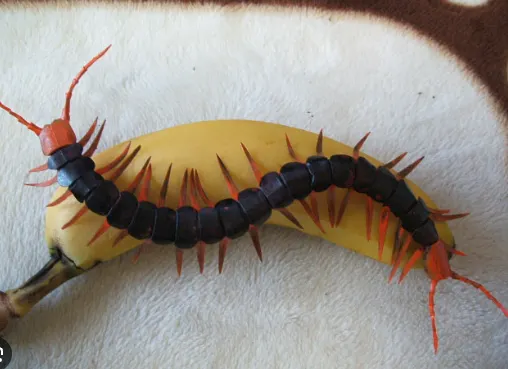
The joy of homeownership always comes with some headaches. Snow shoveling roof leaks, garden care (that one’s not a headache for me) and of course, pests.
And a different continent comes with a list of new home pests you’ll have to battle. Some familiar faces, but mostly uniquely Japanese ones.

And we’re not talking about soot sprites…
So let’s dive into the most common home pests in Japan and how to treat them.
Shiroari (Termites).
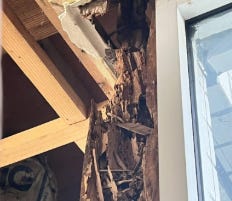
The number one enemy of any wooden home worldwide and Japan is no different.
Given how many Japanese homes are wooden, most of us are at risk.
Japan’s humidity is paradise for subterranean termites, and they’ll quietly hollow out your beams…
How to treat: Prevention is everything. Keep the area under and around the house dry and ventilated, don’t stack firewood against exterior walls.
If you find them, this is not a DIY job, call a pro (shiroari kujo) or call us and we’ll call a pro. Soil and wood treatments typically come with a 5-year guarantee.
Gokiburi (Cockroaches)
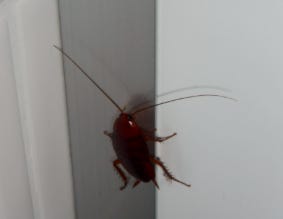
They’re bigger here, they can fly, and they will absolutely find your kitchen in July. Did not mean to make that rhyme…
How to treat: Bait stations (Combat/Gokiburi Hoi Hoi are on every drugstore shelf), keep food sealed, this is number one, and if your going to be gone for months like most of us. DO NOT LEAVE FOOD.
Fumigation cans (barusan) work well for a whole-room reset. Seal gaps around pipes under sinks.
Mukade (Giant Centipedes)
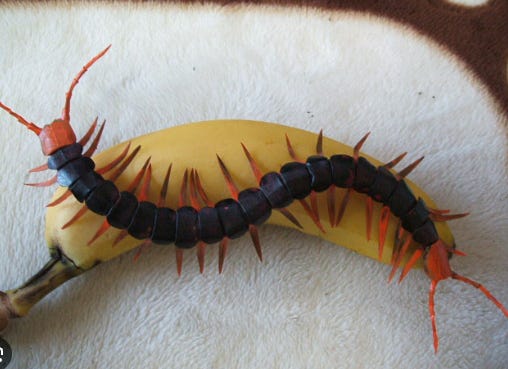
A uniquely terrifying Japanese pest. These venomous centipedes can reach 15+ cm and their bite is famously painful.
They love damp areas (shocker) and hunt cockroaches, so ironically, a roach problem invites a mukade problem. Now you got two disgusting bugs in your house, lovely.
Common in homes near woods and in older houses.
How to treat: Seal gaps, under doors, around windows, drain covers at night.
Perimeter insecticide powder around the foundation works well.
Check bedding and shoes in summer, unfortunately that’s where they like to hangout. If bitten, wash with hot water (43°C+) and see a doctor if swelling spreads.
Never squash one in the futon, instead grab it with long chopsticks or tongs. And do not flush them, apparently they are strong enough to survive the violent flush of a toilet and often crawl back up the pipes into the house. Little Navy SEALs, these guys.
The recommended way to kill them is to throw them in scalding water, 50°C (122°F), and burn them to death…
Suzumebachi (Giant Hornets)
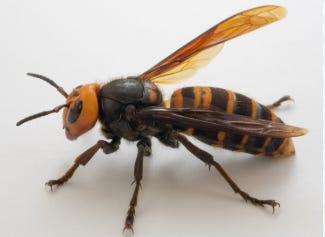
The infamous giant hornet. Remember a few years back when US news was full of "murder hornets" invading America? Well, guess what, they already run Japan.
They build nests under eaves, in attics, in walls, even underground in the garden. Stings send people to the hospital every year.
How to treat: Small nests early in spring (golf-ball size) can be sprayed with hornet-specific spray at night. But honestly, just call your city office, or a professional, or again call us and we’ll handle it.
Many municipalities remove nests for free or cheap. A large nest in autumn is strictly professional territory.
Dani (Mites)
Not bedbugs, though Japan has those too, dani are tiny mites you'll never see but will definitely feel. During tsuyu (the rainy season), they thrive in tatami, futons, and carpets. Dust mites trigger the allergies; their predators, tsume dani, are the ones leaving itchy bites.
How to treat: Dehumidify aggressively during rainy season, air out futons in the sun (or use a futon dryer, kanso-ki, on high heat), and vacuum tatami slowly along the grain. Anti-mite sheets under bedding help too.
Kamemushi (Stink Bugs)
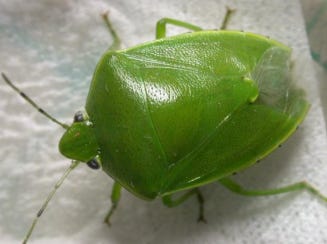
You will 100% deal with stink bugs in Japan, unless you live in a high-rise in central Tokyo. But most of you guys are like me, buying suburban or rural homes where you and the stinkbug will have a beautiful lifelong relationship.
They're everywhere; basically Japan's version of the housefly, IMO. Come October, they swarm sunny exterior walls looking for a warm place to overwinter and your window frames look perfect. Squash one and it will stink.
How to treat: Never squash. The classic move: slide a piece of paper under them and escort them out, or use a plastic bottle trap. Seal window frame gaps before autumn, and there are repellent sprays for exterior walls and screens.
Rodents and Attic Wildlife
City homes get rats; countryside homes get something a little more exotic — hakubishin (masked palm civets) and tanuki love a cozy attic. Scratching sounds above the ceiling at night is the giveaway.

If your house is in Hokkaido, hakubishin are much less common than on Honshu. You likely will never encounter one up there.
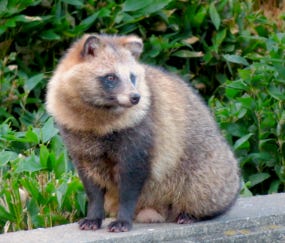
But these guys are common.
How to treat: Find and seal the entry point (they need surprisingly small gaps). For hakubishin and tanuki, note that they’re protected under wildlife law, you can’t just trap them yourself. Call the city office or a licensed removal company, which will evict, sanitize (the droppings are a real health issue), and seal.
And Yes… Bears
Not a “pest” in the traditional sense, but if you own a home in rural Japan, especially Tohoku, Hokuriku, or Hokkaido, bears are increasingly part of the homeownership conversation. Encounters have hit record levels in recent years as bears wander into towns looking for food.
How to keep them away: Bears come for food, so don’t offer any. Harvest or remove persimmon and chestnut trees near the house (the number one attractant).
If bears are active in your area, your city will issue alerts, take them seriously.
Ready to buy a house?: Book a call here
Browse opportunities yourself: Check out current listings at Nipponhomes.com
We’re always looking to partner with great travel + ski brands.
If you’d like to be featured on our perks page or partner with us, reach out here:
This content is for informational and educational purposes only and reflects my personal opinions and experience. I am not a licensed financial advisor, tax advisor, or attorney. Readers should conduct their own due diligence and consult qualified professionals before making any investment decisions.

Take the Next Step
Join our community for exclusive insights and resources on Japanese real estate investments.

Our team
Meet the founders.

Derek has been working in the Airbnb space for the past 10+ years and recently purchased a home in Japan. He is excited to bring this investment opportunity to others in the States & abroad.

Nick has a passion for adventure and has always dreamed of owning a property in Japan. His dreams finally came true when Derek brought him in on a deal of a lifetime in Hokkaido, Japan - one of Nick's favorite places on Earth.