
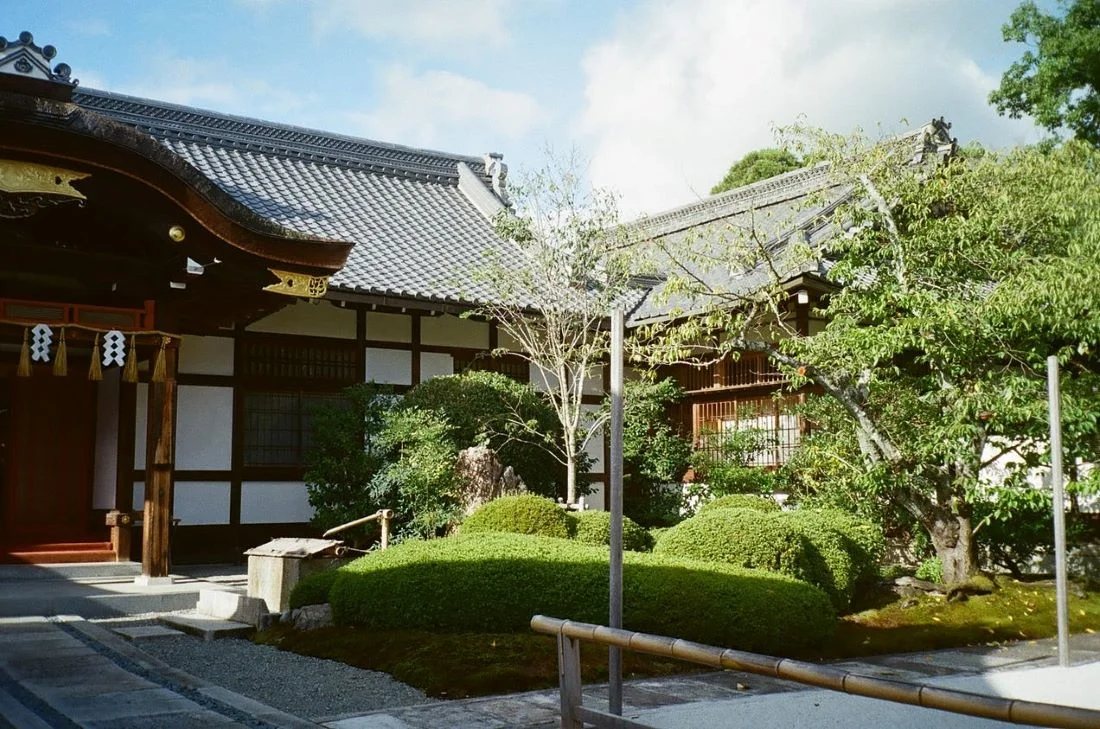
“If I buy this house, can I live in Japan?”
Still one of the most common questions we get on Instagram.
No. It gives you nothing. No residency, no visa status, no path to permanent residency. Nothing.
You’re a tourist. You just now own a house.
And that’s where everyone ends the conversation. “Nope, buying a house doesn’t help you.” Cool. Thanks.
But nobody talks about the actual next question. Which is, okay, so what do I get as a tourist? How long can I stay? Can I work? Can I film? What happens if I just keep coming back?
Let’s dive in.
How long can you actually stay
If you’re American, Canadian, British, Australian, most of Western Europe, you get ninety days visa-free.
Ninety days continuous. You can fly in, stay ninety days straight, and leave. That’s basically the entire winter. Land in December, ski until March.
But importantly, it’s not ninety days per calendar year. It’s ninety days per entry. You leave, you come back, you get another ninety.
I’ve heard of people running three ninety-day stays in a single year, which sounds absurd, and it is, but it’s not technically against any rule.
The catch is that landing permission is a decision, not a right. Every single time you walk up to that desk, an officer decides whether to let you in. And they can see your entire entry history on the screen.
So once you’re past a hundred and eighty days in a rolling year, expect questions. And if the pattern looks like you’re living in Japan on tourist entries, because that’s what a hundred and eighty plus days looks like, they can put you in secondary, and they can turn you around.
Can you work on a tourist visa?
Yes. And also no. And this is where everyone gets confused, so let me say it the way it actually works.
You cannot work in Japan. You can work while you’re in Japan.
The distinction is where the money comes from and who you’re doing the work for. Japanese company pays you, Japanese client pays you, Japanese customer hands you cash, that’s illegal work on a tourist entry. Full stop. Doesn’t matter if it’s one hour or one day.
But short-term stay explicitly covers business activity. It’s called Business liaison work. And the list of what falls under it is way bigger than people think.
Meetings. Negotiations. Signing contracts. Market research. Site inspections. Attending a conference or a trade show. Meeting suppliers. Visiting properties. Sitting in a hotel lobby on a video call with your team back home.
If you have a remote job, honestly, most of your day falls under this. Emails, Slack, a call with your boss, reviewing a contract. You’re doing that on a laptop, for a company that exists outside Japan, getting paid into a bank account outside Japan. Nothing about that is a Japanese-source activity.
It’s not written down anywhere that says “remote work is fine.” What’s written down is that you can’t engage in income-generating activity or receive remuneration in Japan.
Foreign employer, foreign paycheck, no Japanese customers, you’re not doing either of those things. That’s the reasoning, and immigration has never gone after somebody for answering emails on vacation.
But it’s practice, not black-letter law. Know the difference.
What you actually can’t do
This is the part that matters, and it’s the part I never see anyone cover.
You can’t take a shift. Bartending, teaching a lesson, guiding a tour, working the ski school, helping a friend’s restaurant on a busy night.
Doesn’t matter if it’s under the table or if you don’t take money.
If it’s a job a Japanese person would be paid to do you CAN NOT DO IT.
You can’t sell to people in Japan. No booth, no market stall, no services to Japanese clients while you’re standing on Japanese soil.
For all our clients. You CAN NOT run your own rental.
You can buy the guesthouse and get the licensed. But the second you fly over and check guests in yourself, clean the rooms, hand over the keys, handle the complaints. That’s operating a business in Japan. That’s not liaison work.
That’s the entire reason 運営代行 exists. Owner holds the license, a licensed Japanese operator runs the day-to-day. You own it, they operate it, and you stay a tourist.
You can absolutely fly over, walk the property, meet the operator, review the numbers, sign things. That’s inspection. That’s a meeting. That’s fine. Making the beds is not.
Can you film social media while you’re there?
Can you film social media while you’re there?
We get asked this constantly, and for most of you watching, yes.
The short-term business activities written into the law include, promotion & Advertising. Right there next to meetings and contract signing and market research. If you’re filming to promote your own company, and that company is registered outside Japan, you’re doing a listed activity.
If you’re filming for fun, vlog, reel, whatever, not monetized, that’s not even a question. That’s a tourist with a phone. That’s every single person in Shibuya.
If the paid activity was performed in Japan, that’s the problem.
A Japanese hotel paying you for a promo video is obviously out.
But a brand in California paying you to fly to Japan and shoot their campaign? Also exposed. The money being USD doesn’t make it clean because the shoot happened in Sapporo.
What keeps normal people clean is that your business is actually run somewhere else, and the filming is a small piece of it that happens to occur while you’re here.
Main operation abroad, minor piece in Japan. That is the interpretation.
So the question to ask isn’t “who’s paying me.” It’s “am I here doing a job, or am I here doing a piece of a job that lives somewhere else.”
So where does that leave you
The tourist entry in Japan is actually really generouas. Ninety days at a time, no annual cap on paper, you can run your remote job, you can film, you can own property, you can fly back in a month later and do it again.
For a huge number of people that’s genuinely enough. Winter in Hokkaido, spring back home, come back in the fall. You don’t need a visa for that life.
And if you do want more than that, the honest answer is the doors got narrower, not wider. The Business Manager visa used to sit at five million yen in capital. In October of twenty twenty-five they raised it to thirty million, plus a full-time employee, plus three years of management experience or a master’s degree, plus an expert-certified business plan. That’s not a starter visa anymore.
The digital nomad visa exists, six months, but you need to show ten million yen a year in income, it doesn’t renew and it doesn’t lead anywhere long term.
So realistically, for most people reading this, the tourist entry is the answer. Ninety days at a time, indefinitely, legally, with a house waiting for you.

Passez à l’étape suivante
Rejoignez notre communauté pour des analyses et des ressources exclusives sur l’investissement immobilier au Japon.

Notre équipe
Découvrez les fondateurs.

Derek travaille dans l’univers Airbnb depuis plus de 10 ans et vient d’acheter une maison au Japon. Il a hâte de faire découvrir cette opportunité d’investissement à d’autres, aux États-Unis comme à l’étranger.

Passionné d’aventure, Nick a toujours rêvé de posséder une propriété au Japon. Son rêve s’est enfin réalisé quand Derek l’a embarqué dans l’affaire du siècle à Hokkaido, au Japon – l’un des endroits préférés de Nick sur Terre.