
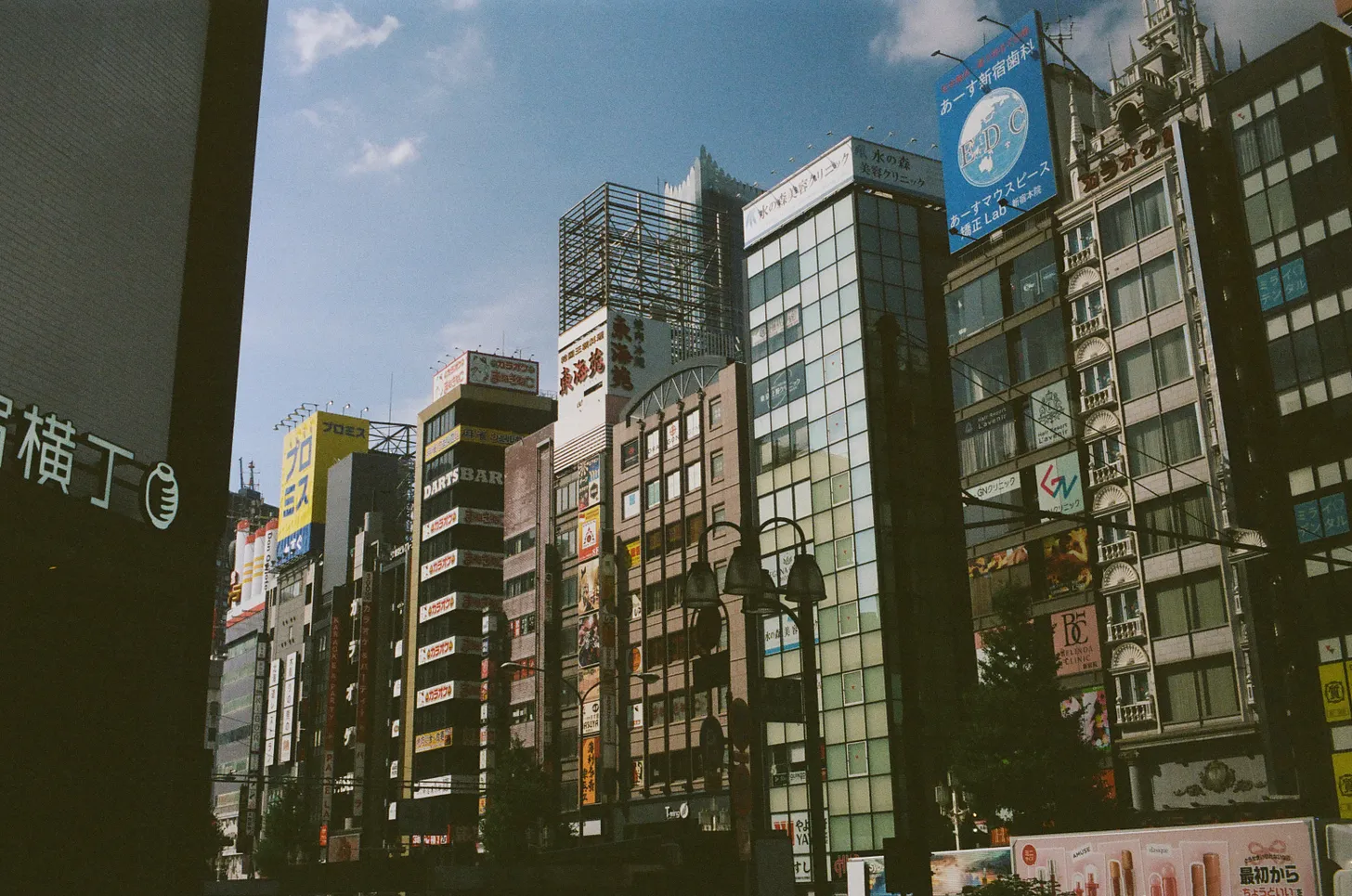
Le grand débat de la politique américaine actuelle tourne autour du pouvoir d’achat. Et quand les gens parlent de pouvoir d’achat, la plupart parlent en fait du logement. Il devient de plus en plus difficile pour les jeunes Américains d’acheter une maison, et cette frustration déborde sur la politique nationale.
Mais le Japon a le problème inverse : un énorme excédent de logements, des prix stables, et dans de nombreuses régions (surtout en dehors des grandes métropoles) des valeurs qui baissent avec le temps.
L’explication classique, c’est la démographie : population en baisse, demande en baisse. Mais ça ne peut pas être toute l’histoire. Regardez la Corée du Sud : population en baisse elle aussi, vieillissante elle aussi, et pourtant les prix immobiliers restent élevés et l’achat reste hors de portée pour beaucoup de jeunes. Alors que se passe-t-il ?
Une pièce majeure du puzzle, c’est le zonage.
Le système de zonage japonais est unique dans le monde moderne
Le Japon a pratiquement supprimé les conditions qui permettent au NIMBYisme d’exister.
Aux États-Unis, environ 89 000 collectivités locales peuvent en pratique inventer leur propre système de zonage. Chaque ville, village et comté ajoute sa propre couche de réglementation, d’audiences, d’études environnementales, de surfaces minimales de terrain, de déclassements, de recours sans fin, et chaque couche donne aux voisins plus d’outils pour s’opposer aux projets.
Et surtout, toutes ces réunions et études font grimper les coûts, qui sont répercutés sur les futurs locataires ou acheteurs de ces logements.
Le Japon a pris la direction opposée.
Le Japon a un seul système de zonage national avec 12 catégories.
Les collectivités locales n’ont pas le pouvoir de créer un zonage ad hoc ultra-restrictif pour bloquer de nouveaux logements.
La plupart des constructions au Japon se font « de plein droit ».
Si le projet d’un promoteur respecte les exigences de la catégorie de zonage nationale, les autorités locales sont tenues, et pas simplement incitées, à délivrer le permis.
Pas d’audiences publiques. Pas d’étude environnementale sur plusieurs années. Pas de recours sans fin. Pas de veto du quartier.
Cela rend le NIMBYisme quasi impossible. Les boomers du coin ne peuvent pas geler la construction pour faire grimper artificiellement la valeur de leur propre maison. Même si les habitants se plaignent à la mairie, les élus locaux ne peuvent presque rien faire.
Combinez ce faible pouvoir d’intervention locale, l’absence de surface minimale de terrain et des droits de succession élevés après-guerre qui ont poussé les familles à diviser leurs terrains, et vous obtenez les banlieues denses, piétonnes et bien desservies que l’on voit partout au Japon aujourd’hui.
Comparez avec les États-Unis
Aux États-Unis, le zonage privilégie l’exclusivité plutôt que la production de logements.
- Environ 75 % des terrains résidentiels des villes américaines sont réservés exclusivement aux maisons individuelles
- De nombreuses banlieues imposent de grandes surfaces minimales de terrain (de 0,1 à 0,4 hectare, c’est courant), ce qui rend les immeubles collectifs financièrement impossibles
- De longues audiences publiques permettent aux voisins de mettre leur veto à des projets, même conformes au zonage
- Les protections patrimoniales, bien que précieuses culturellement, bloquent souvent le réaménagement dans les zones très demandées
La seule ville de New York compte plus du double de bâtiments classés que l’ensemble du Japon. Et même quand le Japon classe des bâtiments, ce classement n’empêche souvent pas leur démolition ou leur modification : les règles n’ont tout simplement pas le même mordant.
Et les résultats se voient clairement dans les chiffres de construction :
Selon certaines mesures, les mises en chantier annuelles de Tokyo équivalent à peu près au cumul de New York + Los Angeles + Boston + Houston.
Cette production, année après année, est une raison majeure pour laquelle Tokyo est l’une des grandes villes les plus abordables du monde.
Mais le système japonais est-il vraiment meilleur ?
En tant que propriétaire à la fois aux États-Unis et au Japon, je ne sais sincèrement pas.
D’un côté, le modèle japonais fonctionne clairement pour l’accessibilité, l’offre et la qualité de vie. Les villes sont connectées, piétonnes, vivantes. On se retrouve rarement isolé à des kilomètres d’un supermarché ou d’un konbini. Le zonage mixte crée des quartiers qui respirent la vie.
Mais je n’aime pas l’idée que le gouvernement central puisse décider du sort de ma communauté avec zéro avis local. Ça ne me semble pas démocratique. Je comprends pourquoi certains veulent que la communauté ait voix au chapitre.
Mais dans la ville voisine de la mienne, chaque membre de la commission d’urbanisme doit approuver un projet pour qu’il avance : un vote à l’unanimité.
Récemment, il y avait un projet de transformation d’un vieil immeuble de bureaux près de la gare en appartements. Littéralement l’emplacement parfait pour de nouveaux logements, dans une ville qui en réclame. Tous les membres de la commission ont voté oui… sauf un. Une seule personne de 90 ans s’y est opposée, et comme les règles exigent l’unanimité, le projet est mort.
Il n’en a pas fallu plus. Le ressenti d’une seule personne a pesé plus lourd que les besoins de milliers de locataires et de jeunes familles, et le résultat est prévisible : les prix et les loyers continuent de grimper sans aucun signe de ralentissement.
Donc le modèle américain ne fonctionne clairement pas non plus.
Alors, à quoi ressemblerait le modèle de zonage idéal ?
Si je pouvais assembler façon Frankenstein les éléments qui fonctionnent en un seul système, cela ressemblerait peut-être à ça :
Un socle de zonage national
- Cela permet de confier le zonage à un comité d’experts, plutôt qu’à un habitant de 90 ans qui bloque les projets de construction parce qu’il veut préserver le caractère de sa ville.
- Principalement mixte, orienté vers les transports en commun, avec une densité douce autorisée partout
- Duplex, triplex, maisons de ville et immeubles de hauteur moyenne autorisés par défaut
Un avis local sur le design, pas un droit de veto local
- Les habitants peuvent influer sur l’esthétique et l’intégration dans le quartier, mais pas sur la question de savoir si des logements seront construits
Un garde-fou de « veto à la majorité qualifiée »
- Si environ 70 % de la communauté s’oppose fermement à un projet précis, elle peut le bloquer
- Mais seulement si les opposants vivent dans un rayon restreint (pas des électeurs pris au hasard dans tout le comté)
Un classement patrimonial, mais seulement pour ce qui est vraiment historique
- Une vraie préservation culturelle, pas des interdictions générales qui figent des quartiers entiers
Des délais rapides et garantis
- Les permis doivent être accordés ou refusés sous 60 à 90 jours
- Pas de contentieux sur plusieurs années conçus pour faire traîner un projet jusqu’à sa mort
Autrement dit : un système où construire est la règle par défaut, mais où les communautés contribuent quand même à définir comment, et non si, cela se fait.
Il n’existe pas de système parfait.
Le Japon a l’accessibilité sans représentation locale.
Les États-Unis ont la représentation locale sans l’accessibilité.
Quelque part entre les deux se trouve un équilibre où les villes grandissent, les communautés ont leur mot à dire, et les jeunes peuvent se permettre de vivre là où ils ont grandi.
Si nous y arrivons un jour, ce sera peut-être ça, le vrai « meilleur système ».
Explorez les opportunités vous-même : consultez les annonces actuelles sur Nipponhomes.com
Réserver une consultation | S’abonner à notre newsletter
Partagez cet article et amenez 5 nouveaux abonnés pour gagner votre t-shirt épais Yuki Homes personnalisé, conçu à Brooklyn, une qualité qui se sent vraiment.

Passez à l’étape suivante
Rejoignez notre communauté pour des analyses et des ressources exclusives sur l’investissement immobilier au Japon.

Notre équipe
Découvrez les fondateurs.

Derek travaille dans l’univers Airbnb depuis plus de 10 ans et vient d’acheter une maison au Japon. Il a hâte de faire découvrir cette opportunité d’investissement à d’autres, aux États-Unis comme à l’étranger.

Passionné d’aventure, Nick a toujours rêvé de posséder une propriété au Japon. Son rêve s’est enfin réalisé quand Derek l’a embarqué dans l’affaire du siècle à Hokkaido, au Japon – l’un des endroits préférés de Nick sur Terre.